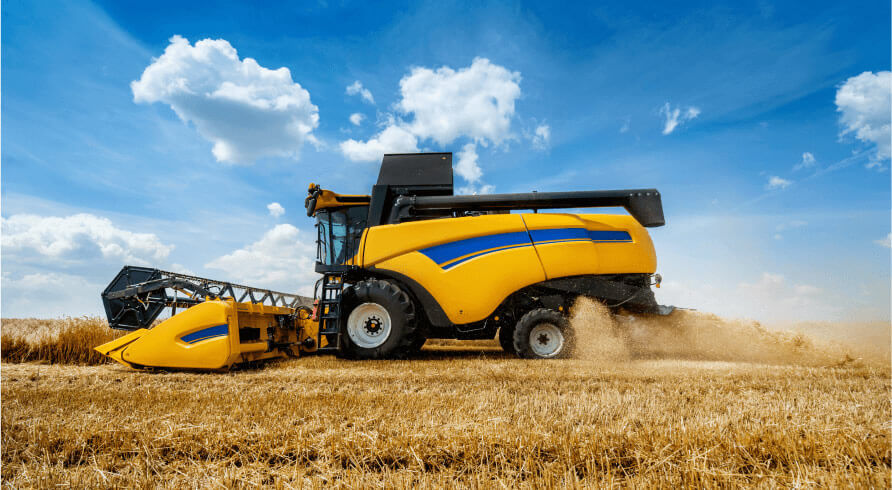
A used combine is the largest single purchase most farms make that is not land, and it is bought on less information than a used half ton. Here is what actually tells you something.
The two hour readings, and why both matter
Combines carry engine hours and separator hours, and the relationship between them tells you more than either number alone.
Separator hours are the hours the threshing system actually ran. Engine hours include idling, road travel, unloading and waiting. A machine with high engine hours and modest separator hours has spent a lot of time running but not a lot of time threshing, which is a different kind of wear than the reverse.
A wide gap between the two can mean long road moves between scattered land, or a lot of waiting on trucks. Neither is a problem, but it changes what you should be inspecting.
Ask for both. A seller who only quotes one is worth a follow-up question.
Hours tell you less than condition
Two machines with identical separator hours can be in completely different states depending on the crops, the conditions and the owner. Canola and tough straw are harder on a machine than dry cereals. A machine that was stored inside and blown down after every season is not comparable to one that sat in a shelterbelt.
If you have to choose between a low hour machine with no history and a higher hour machine with records and an owner who clearly looked after it, the second one is usually the better buy.
What to inspect, in order of what costs most to fix
Threshing and separation components. Concaves, rasp bars or threshing elements, and separator grates. These wear, they are not cheap, and a machine that needs all of them is a different price than one that does not.
The cleaning shoe. Sieves and chaffer condition, the shoe frame, and any sign of repair. Shoe problems are harder to diagnose and more disruptive than most buyers expect.
The feederhouse. Chain condition, floor wear, and the drive. This takes abuse and shows it.
Engine and driveline in the usual way, with attention to any sign of overheating.
Electronics. Monitors, sensors and controls. These are expensive, they do fail, and on an older machine parts availability is a real question worth asking before you buy rather than after.
The things that are easy to miss
- Fire damage. Look for heat discolouration, replaced wiring looms and new paint in odd places around the engine
- Rodent damage to wiring, in any machine that sat for a season
- Stone damage in the threshing area
- Repairs that were done well, which are a good sign, and repairs that were done in a hurry, which are not
- Whether the header comes with it, and whether the adapter fits the header you already own
Run it if you possibly can
A combine sitting in a yard tells you a fraction of what a combine running tells you. Out of season that is often not possible, but you can still:
- Start it and let it reach temperature
- Engage the separator and listen
- Run the header through its range
- Cycle the unloading auger
- Work through the monitor screens and check that the sensors read sensibly
Anything that hesitates, grinds, or needs a particular technique to work is worth understanding before money changes hands.
Ask about the last season it worked
What crops, what acres, what conditions, and what went wrong. Most sellers will tell you honestly, and the answer tells you where to look. A machine that did eight hundred acres of tough canola last fall has a different wear profile than one that did the same acres in dry wheat.
Budget for the first season
Almost every used machine needs something in the first year. Belts, a bearing, a sensor, usually not one big thing but several small ones. Buyers who budget for that are happy with their purchase; buyers who budgeted to the dollar are not.
Where we come in
We have been selling equipment in this area since 1929, and much of what comes through our lot is machinery we know the history of, because we sold it the first time and serviced it since.
Our teams in Paradise Hill, Lloydminster and North Battleford are happy to walk through a machine with you, and to be straight about what it will need.
Browse combines, see all used equipment, or talk to our team.


